
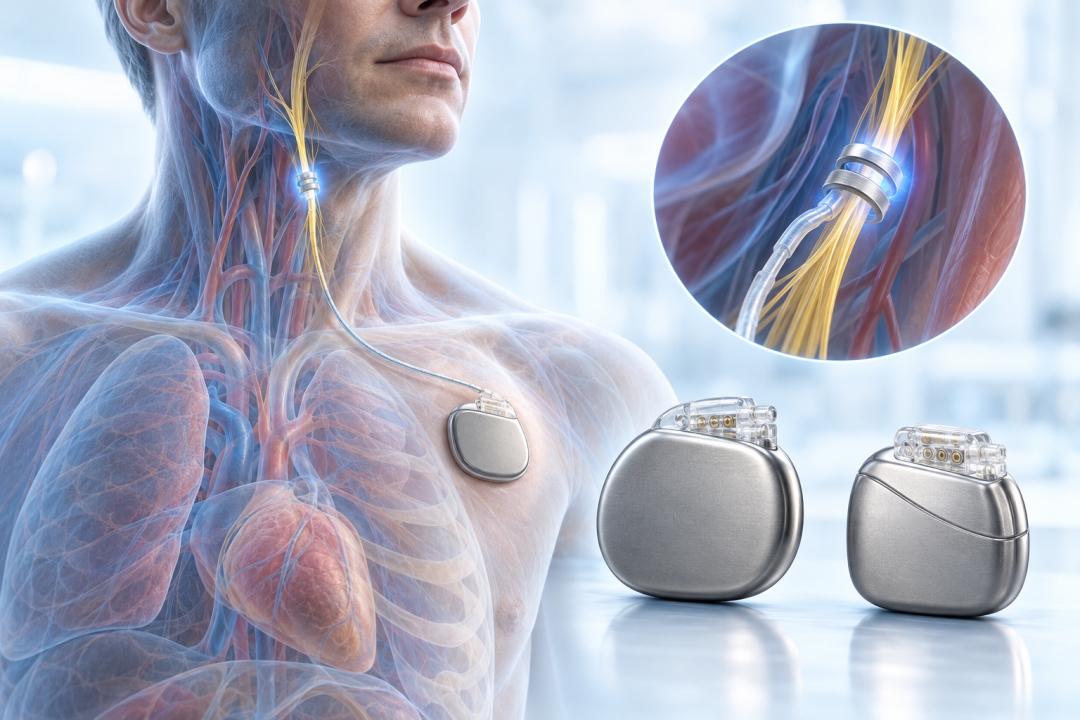
SEOUL, South Korea – October 2, 2026 – The pharmaceutical sector has long been transformed by the biosimilar revolution—delivering affordable, highly effective alternatives once biologic patents expire. Today, a parallel paradigm shift is unfolding in the bioelectronics landscape: the arrival of Device Similars in implantable electroceuticals. As primary patents on key neurological technologies begin to lapse, this emerging market promises to dismantle cost barriers for advanced neurostimulation therapies targeting conditions such as Parkinson’s disease, epilepsy, treatment-resistant depression, and chronic pain.
The Catalyst: Market Expansion and Lapsing Patents
The global market for implantable neurostimulators has traditionally been dominated by a select group of MedTech giants, including Medtronic, Abbott, Boston Scientific, and LivaNova. While these sophisticated devices have proven life-changing, their substantial cost has restricted widespread patient access.
This dynamic is now shifting. A landmark catalyst in this transition is LivaNova’s Vagus Nerve Stimulator (VNS). Having enjoyed over two decades of market exclusivity, key patents surrounding VNS technology are expiring. This milestone opens the floodgates for Device Similar manufacturers to introduce functional, high-quality equivalents at significantly reduced price points.
Biosimilars vs. Device Similars: Technical and Regulatory Nuances
While the conceptual foundation of a Device Similar mirrors that of a biosimilar, the underlying execution differs radically:
Engineering vs. Biotechnology: Biosimilars depend on replicating biological molecules within living cellular systems. Conversely, Device Similars require flawless hardware-software integration, long-term biocompatibility, hermetic packaging, microelectronics precision, and ultra-reliable power management to ensure decades of safe implantation.
Regulatory Pathways: Regulatory frameworks for Device Similars can often leverage established comparative pathways, such as the U.S. FDA’s 510(k) clearance process, provided “substantial equivalence” in safety, design, and intended use is demonstrated against a predicate device.
Strategic Opportunities and Technical Hurdles
The proliferation of Device Similars offers profound clinical and economic benefits—most notably by lowering healthcare costs and broadening access for underserved patient populations. However, entry into this market is far from simple.
Emerging players face severe technical barriers, particularly around product longevity, system reliability, and adverse event mitigation. Furthermore, incumbent market leaders frequently deploy strategic intellectual property defenses—such as patent thickets and incremental technology updates—creating complex legal hurdles that new entrants must navigate through proactive IP management.
Industry Precedents: Lessons from Spinal Cord and Deep Brain Stimulation
Market leaders themselves have recognized the value of equivalent design principles. Across product lines in Spinal Cord Stimulation (SCS) and Deep Brain Stimulation (DBS), top-tier companies have iteratively designed cost-optimized, functionally comparable systems to capture broader market share and penetrate developing regions. These precedents demonstrate that strategic hardware replication, when paired with rigorous quality systems, delivers strong commercial viability.
A Strategic Roadmap for the Korean MedTech Industry
To establish leadership in this emerging space, Korean bioelectronics companies and regulatory bodies must take coordinated action:
R&D and Global Compliance: Domestic manufacturers should focus heavily on core electronic component reliability and secure international quality management certifications (such as ISO 13485 and EU MDR) early in development.
Regulatory Clarity: The Ministry of Food and Drug Safety (MFDS) and local regulators must establish clear, standardized approval guidelines for Device Similars, enabling local innovators to move swiftly from prototype to international commercialization.
Conclusion
The era of Device Similars in implantable electroceuticals is no longer a distant prospect—it is a current reality driven by key patent expirations like LivaNova’s VNS. Harnessing the full potential of this shift will require seamless collaboration across industry players, regulatory agencies, and research institutions. By building strong manufacturing capabilities and navigating regulatory pathways efficiently, the MedTech sector can dramatically enhance treatment affordability and redefine the future of bioelectronic medicine.
About OceansBio
Founded in 2018, OceansBio Inc. is a South Korean bioelectronics company focused on developing intelligent electroceuticals through artificial intelligence and Software as a Medical Device (SaMD). The company combines biosignal monitoring, AI-based prediction, and neuromodulation to develop closed-loop systems that connect early risk detection with responsive stimulation. Its core development areas include vagus nerve stimulation devices and ECG-based AI solutions for predicting epileptic seizures. OceansBio aims to integrate its predictive and control software into neurostimulation platforms through device development and technology licensing.
Media Contact
Company Name: Oceansbio co., Ltd.
Contact Person: LEEHU
Email: Send Email
Country: South Korea
Website: http://oceansbio.com
Media gallery



