
Key Takeaways
- The liver is the body’s primary detox organ, but the skin functions as a secondary elimination pathway – science confirms that sweat contains measurable levels of heavy metals, BPA, and other compounds that are also processed and eliminated by the liver.
- Methods like infrared sauna and exercise carry the strongest research backing for sweat-based toxin excretion, while dry brushing and ionic foot baths offer circulatory and relaxation support benefits, with more limited evidence for direct lymphatic detox.
- Medical experts are clear: skin-based detox methods are supportive tools, not substitutes for a healthy liver – and the habits that protect the liver most are simpler than most people expect.
There’s a growing conversation about the skin’s role in helping the body manage its toxic load – and the answer is more nuanced than a simple yes or no. The liver does the heavy lifting. But research does show the skin contributes in measurable ways, particularly through sweat. Here’s what the science actually says, where the limits are, and which methods are worth the effort.
The Liver Does the Heavy Lifting – But the Skin Has a Role
The liver performs over 500 vital functions, and filtering toxins is central to almost all of them. It processes alcohol, medications, metabolic byproducts, and environmental chemicals – then routes the resulting compounds out of the body through bile and urine. It does this continuously, without any outside intervention.
The skin operates differently. As the body’s largest organ, it contains enzymes capable of breaking down foreign substances. More relevantly, the roughly 2 to 4 million sweat glands distributed across the skin’s surface excrete water-soluble compounds – some of which are substances that are also processed and eliminated by the liver. Naturopathic practitioners often describe the skin as a secondary elimination organ, particularly when the liver or gut is under added stress, though this framing reflects naturopathic philosophy rather than a position with broad clinical consensus.
This is a measurable biological process – though the quantities involved matter a great deal.
What Science Says About Toxins in Sweat
Trace Heavy Metals Are Detectable, But Quantities Are Small
Sweat is approximately 99% water. The remaining fraction contains electrolytes, trace minerals, and small amounts of toxins. Studies have detected heavy metals including lead and cadmium in sweat, along with synthetic compounds like bisphenol A (BPA), phthalates, and certain pesticide residues. Some research has found sweat concentrations of certain heavy metals comparable to or exceeding those found in urine – notable given how rarely sweat is factored into detox discussions.
A systematic review confirmed that toxic elements are present in sweat and that sweating warrants consideration as a complementary pathway for elimination, while also emphasizing that properly sized clinical trials are still needed to establish safe, therapeutic protocols. The signal is real, but the science is not finished yet.
Sweating as a Complementary Pathway, Not a Primary One
The quantities excreted through sweat are small relative to what the liver and kidneys process daily. Framing sweat as a replacement for liver function would be inaccurate. The more precise framing: consistent, thermally induced sweating may provide an additional channel for compounds that are also processed and eliminated by the liver – potentially reducing the recycling burden on that system over time, even if modestly.
Where Medical Experts Draw the Line
Liver and Kidneys Remain the Body’s Primary Detox Organs
Mainstream dermatologists and hepatologists are consistent on this point: there is no such thing as skin detox in a clinical sense. Dr. Michael Volk, a transplant hepatologist at Baylor Scott and White Medical Center, notes that the liver doesn’t store toxins the way detox marketing implies – it processes and eliminates them naturally. The liver and kidneys handle the vast majority of the body’s detoxification, and for most people, they do not need pharmaceutical or supplemental assistance to function.
Skin-Based Methods Are Supportive, Not a Substitute
UK clinical guidance does not recommend infrared sauna use to treat or reverse fatty liver disease, citing insufficient evidence on heat exposure and hepatic function. Supportive is not the same as therapeutic. No skin-based method currently has the clinical evidence needed to treat liver disease. What some methods can reasonably claim is circulatory support and modest contributions to the body’s existing elimination processes – which is still meaningful for someone pursuing general wellness, not treatment.
Foot Baths: What the Research Actually Found
Circulation Support, Not Direct Detox
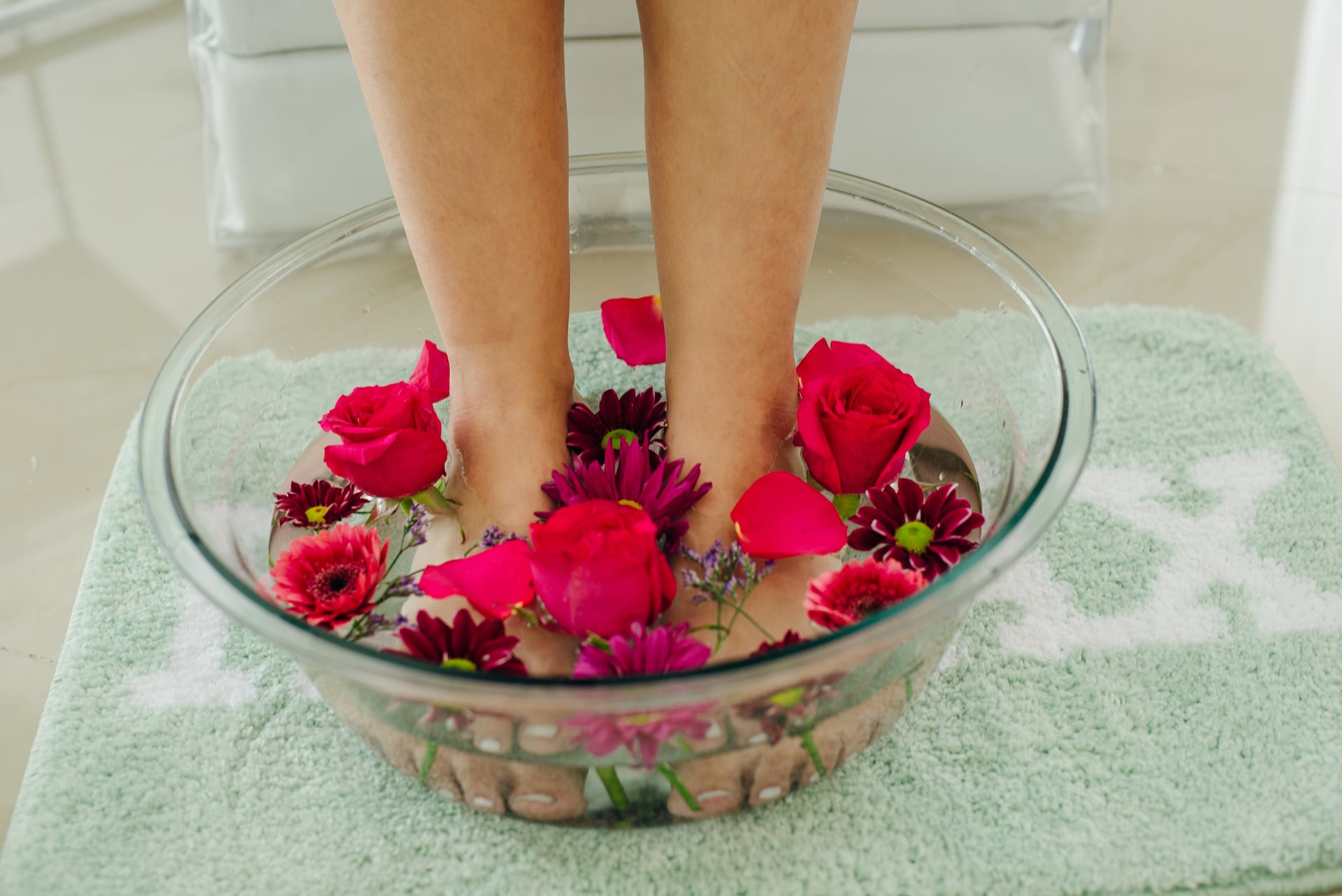
Ionic foot baths are one of the more debated tools in the skin-based wellness space. Independent research has found that the color changes often observed in the water during a session are attributable to sweat, mineral content, and corrosion of metal components in the device – not toxins being pulled from the body. Direct heavy metal extraction through the feet is not supported by current evidence.
What foot baths can reasonably offer is warm water immersion and mild electrical stimulation, both of which have documented effects on local circulation and the relaxation response. For users interested in this category, home-use ionic spa modules are designed to deliver consistent ionization within a defined safe range, positioned as a circulation and relaxation tool rather than a clinical detox device.
The Lymphatic Movement Connection
The lymphatic system clears waste from the body’s soft tissues by transporting lymph to lymph nodes for filtration – but it has no pump of its own. It relies primarily on physical movement, breathing, and muscle contractions. Any practice that encourages circulation or physical stimulation in the lower limbs has at least indirect relevance to lymphatic flow.
Dry Brushing: Circulation Aid With Limited Detox Evidence
Dry brushing involves using a firm-bristled natural brush on dry skin before bathing, with long strokes directed toward the heart. Proponents argue it stimulates the lymphatic vessels sitting just beneath the skin’s surface, encouraging lymph to move toward the lymph nodes for processing. The logic is biologically plausible – the lymphatic vessels are superficial, and mechanical stimulation of the skin does affect local circulation.
The honest qualification: more controlled studies are needed to confirm the extent of lymphatic benefit from dry brushing specifically. What is well-supported is that it improves skin texture and reduces puffiness associated with fluid retention. As a low-cost, low-risk addition to a wellness routine, it earns its place – with realistic expectations about what it can claim.
Infrared Sauna and Exercise: The Stronger Case for Sweating
Exercise Moves Lymph, Reduces Liver Fat, and Drives Sweat
Exercise is the most evidence-backed method in this category. Cardiovascular activity moves lymph by contracting the muscles surrounding lymphatic vessels, raises core temperature to activate sweat glands systemwide, and directly benefits the liver: research consistently shows that regular physical activity reduces hepatic fat content, improves insulin sensitivity, and enhances bile flow. One study comparing methods of heavy metal excretion found that dynamic exercise may outperform static heat exposure for the excretion of specific metals including nickel, lead, copper, and arsenic. High-intensity interval training, sustained aerobic exercise, and hot yoga all engage these pathways simultaneously.
What Infrared Sauna Can and Cannot Claim
Infrared saunas differ from traditional steam saunas in a meaningful way: the infrared light waves penetrate 1.2 to 1.6 inches into muscle tissue, generating heat from the inside out at lower ambient temperatures – typically between 120°F and 160°F versus the 176°F to 212°F required in conventional saunas. This produces a more intense and sustained sweat response, which is relevant given research linking exercise-induced sweating to excretion of BPA, phthalates, and pesticide residues.
Infrared sauna use is associated with potential benefits for circulation and high-volume sweat production – reasonable claims in the context of general wellness. What infrared sauna cannot currently claim, per UK clinical guidance, is the ability to treat or reverse fatty liver disease. The research on its relationship to hepatic function specifically remains insufficient for therapeutic use.
Healthy Habits Support the Liver Far More Than Skin Detox Alone
The habits with the strongest evidence for liver health are not sophisticated: a nutrient-rich diet low in processed carbohydrates, consistent hydration, regular exercise, limited alcohol, and avoiding unnecessary supplement overload. These practices reduce the liver’s burden directly and durably – more so than any single skin-based method.
Skin-based practices – sweating, lymphatic stimulation, improved circulation – layer on top of those fundamentals. They are not a shortcut around them. Used consistently and with accurate expectations, methods like infrared sauna sessions and regular exercise create compounding support for the body’s elimination systems. No single session produces dramatic results, but sustained practice over weeks does add up in meaningful ways.
For anyone building a realistic wellness routine around liver support, the skin is a legitimate piece of the picture – one worth understanding clearly, rather than overstating or dismissing entirely.
Healifeco
1309 Coffeen Avenue
STE 1200
Sheridan
Wyoming
82801
United States


