
Key Takeaways
- Root canal treatment is designed to remove infection from inside a tooth and help preserve the natural tooth structure.
- Modern root canal procedures are typically performed under local anaesthesia and are often comparable to having a filling.
- Common symptoms that may indicate the need for root canal treatment include severe toothache, prolonged sensitivity, swelling, and tooth discolouration.
- Treatment can often prevent the need for tooth extraction.
- Root canal costs vary depending on the tooth involved, the complexity of the case, and whether additional restoration is required.
- Many treated teeth can remain healthy and functional for years with proper care and maintenance.
- Early treatment generally leads to better outcomes and may reduce the risk of complications.
Untreated tooth decay is one of the most widespread dental problems in the world — and when it progresses far enough, a root canal is often the recommended next step. Yet few procedures carry more undeserved anxiety than this one.
For many people, simply hearing the words “root canal” triggers a stress response. Some picture a painful ordeal. Others assume pulling the tooth is the easier path. In reality, modern root canal treatment is designed to do the opposite: relieve pain, clear infection, and preserve your natural tooth.
Think of it like repairing the foundations of a house. If the structure can be saved, fixing the damage is almost always preferable to tearing it down and starting over. Root canal treatment works the same way — treating infection from inside the tooth while keeping the tooth itself in place.
Understanding what the procedure actually involves, what it costs, and what recovery looks like can go a long way toward making the decision feel a lot less daunting
What Is Root Canal Treatment?
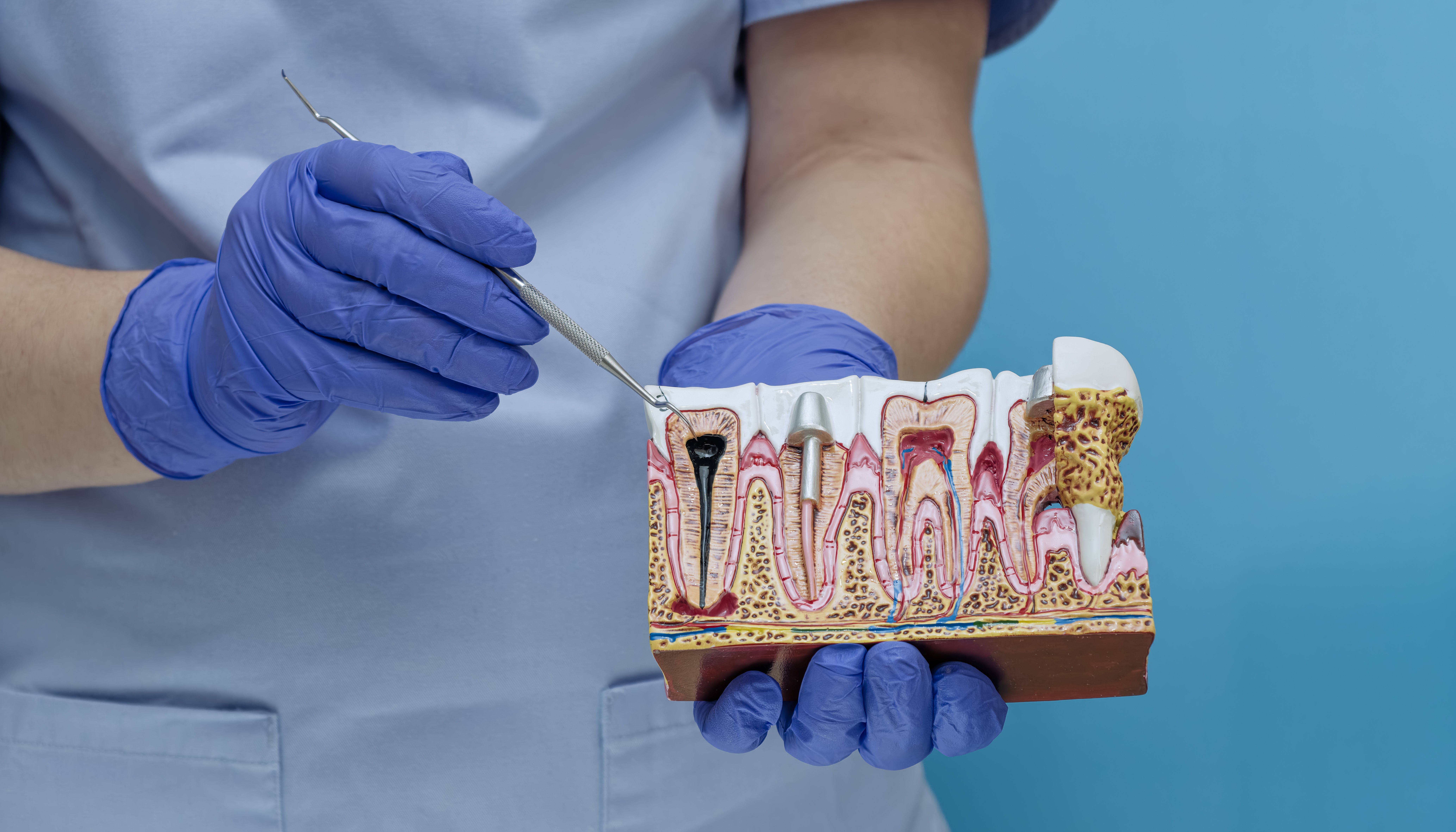
Root canal treatment, also known as endodontic treatment, is a procedure used to treat infection or damage inside a tooth.
Every tooth contains a soft inner tissue known as the pulp. This pulp contains nerves, blood vessels, and connective tissue. When it becomes infected or inflamed, significant discomfort can occur.
Without treatment, the infection can spread, causing increasing pain and potentially leading to abscess formation or tooth loss.
The goal of root canal treatment is straightforward:
- Remove infected tissue
- Clean and disinfect the root canals
- Seal the tooth to prevent reinfection
- Preserve the natural tooth whenever possible
This allows patients to keep their natural tooth while resolving the underlying problem.
Why Might Someone Need a Root Canal?
Several dental problems can lead to pulp infection.
Deep Tooth Decay
One of the most common causes is untreated decay. When cavities progress deep into the tooth, bacteria can reach the pulp and trigger infection.
Cracked or Broken Teeth
Cracks and fractures may allow bacteria to enter the inner structures of the tooth, even when the damage is not immediately visible.
Dental Trauma
A sports injury, fall, or accident can damage the pulp even if the tooth appears normal externally.
Repeated Dental Procedures
Multiple treatments on the same tooth can sometimes place stress on the pulp, increasing the likelihood of inflammation.
Common Signs You May Need Root Canal Treatment
Symptoms vary depending on the severity of the infection. Some common warning signs include:
Persistent Toothache
Ongoing pain is often the most obvious symptom. The discomfort may be constant or may come and go throughout the day.
Sensitivity to Hot and Cold
Lingering sensitivity after eating or drinking hot or cold foods can indicate nerve involvement.
Swollen Gums
Localised swelling around a tooth may signal infection.
Tooth Discolouration
A tooth that becomes darker than neighbouring teeth may have experienced internal damage.
Pain When Chewing
Pressure-related discomfort can suggest inflammation around the tooth root.
It is important to remember that some infected teeth produce few symptoms initially. Regular dental examinations remain one of the best ways to identify problems before they become more serious.
Does Root Canal Treatment Hurt?
This is probably the most frequently asked question. The short answer is no—at least not in the way many people imagine.
Modern root canal treatment is performed using a local anaesthetic, which numbs the area before treatment begins. Most patients report that the experience feels similar to having a routine filling.
The pain often associated with root canal treatment is usually caused by the infection itself rather than the procedure.
In fact, many patients experience relief once the infected tissue has been removed.
Some tenderness afterwards is normal, particularly when chewing, but this generally improves within a few days and can often be managed with over-the-counter pain relief.
What Happens During a Root Canal Procedure?
Understanding the process can help reduce anxiety.
Step 1: Examination and Diagnosis
The dentist first examines the affected tooth and may take X-rays or other imaging to assess the extent of the infection.
This stage helps determine whether root canal treatment is appropriate.
Step 2: Local Anaesthetic
The area around the tooth is numbed to maximise comfort throughout the procedure.
Step 3: Isolation
A protective barrier, often called a rubber dam, may be placed around the tooth to keep the area clean and dry.
Step 4: Removal of Infected Tissue
A small opening is created in the tooth so the infected pulp can be removed.
Step 5: Cleaning and Disinfection
The internal canals are carefully cleaned and disinfected to eliminate bacteria.
Step 6: Filling the Canals
The cleaned canals are filled with a specialised material that seals the space and reduces the risk of future infection.
Step 7: Restoration
Depending on the condition of the tooth, a filling or crown may be recommended to restore strength and function.
How Long Does Root Canal Treatment Take?
Treatment time depends on the complexity of the case.
Some root canals can be completed in a single appointment.
More complicated infections may require multiple visits.
Factors that influence treatment duration include:
- Number of root canals
- Severity of infection
- Tooth location
- Previous dental work
- Presence of abscesses
Molars generally require more time than front teeth because they contain additional canals.
Root Canal Treatment Costs in Nottingham
One of the most common questions patients ask is: ” How much does a root canal cost?
Unfortunately, there is no universal price.
Several factors affect the total cost:
Tooth Type
Front teeth are usually simpler to treat than molars, which often contain multiple canals.
Complexity
More complex infections may require additional time and expertise.
Diagnostic Imaging
Advanced imaging may be necessary in certain cases.
Restoration Requirements
Many root canal-treated teeth require crowns to restore long-term strength.
Because every case is different, treatment costs are typically determined following a clinical examination.
Patients comparing prices should also consider the long-term value of preserving a natural tooth rather than focusing solely on the initial treatment fee.
Root Canal vs Tooth Extraction
When faced with infection, patients sometimes wonder whether extraction would be easier.
The answer depends on the individual situation.
Advantages of Saving the Natural Tooth
Preserving a natural tooth can help:
- Maintain normal chewing function
- Support natural bite alignment
- Prevent neighbouring teeth from shifting
- Preserve smile aesthetics
- Reduce the need for replacement options
When Extraction May Be Necessary
In some situations, a tooth may be too damaged to save.
Severe fractures, advanced structural damage, or extensive bone loss may limit treatment options.
A dentist can assess whether root canal treatment remains viable.
What Results Can Patients Expect?
Root canal treatment has a long track record of success.
Many treated teeth remain functional for years or even decades when properly restored and maintained.
Success depends on several factors:
- Quality of treatment
- Severity of the original infection
- Restoration quality
- Oral hygiene habits
- Regular dental care
Following treatment, patients often notice significant improvement in comfort and function.
Many can eat, speak, and smile normally again without the discomfort that initially brought them to the dentist.
Looking After a Tooth After Root Canal Treatment
Aftercare plays an important role in long-term success.
Patients should:
- Brush twice daily
- Floss regularly
- Attend routine dental check-ups
- Avoid chewing hard objects
- Follow any instructions provided by their dentist
If a crown is recommended, having it placed promptly can help protect the tooth from future damage.
Final Thoughts
Root canal treatment remains one of the most misunderstood procedures in dentistry. Yet for many patients, it offers an effective way to eliminate infection, relieve pain, and preserve a natural tooth that might otherwise be lost.
While treatment costs and timelines vary, understanding the process helps replace fear with facts. Modern root canal procedures are designed with patient comfort in mind and can often provide long-lasting results when combined with good oral hygiene and regular dental care.
The most important takeaway? Don’t wait. The earlier an infection is assessed, the more options remain on the table — and the better the chances of keeping your natural tooth intact for the long run.
Arnold Dental & Implant Centre
77C High Street, Arnold
Nottingham
Nottinghamshire
NG5 7DJ
United Kingdom


