
CHARLOTTE, NC – X-Sense highlights the growing need for whole-home protection as fire behavior in modern households becomes increasingly unpredictable.
A major water damage problem does not always begin with a burst pipe or a flooded basement. In many homes, it starts with something much smaller: a slow drip beneath a sink, a loose washing-machine hose, a leaking toilet connection, or moisture collecting behind an appliance.
These leaks can go unnoticed for days, weeks, or even longer. By the time a damp patch, warped floorboard, musty smell, or water stain appears, the damage may already be spreading behind walls or under flooring.
Water is part of everyday life in every home. It runs through bathrooms, kitchens, laundry rooms, utility areas, heating systems, and appliances. That makes regular inspection important. A small issue may seem harmless at first, but unattended moisture can affect cabinets, flooring, plaster, insulation, and personal belongings.
Small Leaks Can Cause Larger Problems
Many people only think about water damage after a visible emergency. A pipe bursts, a washing machine overflows, or water enters through a damaged roof. Those situations are obvious and often require immediate action.
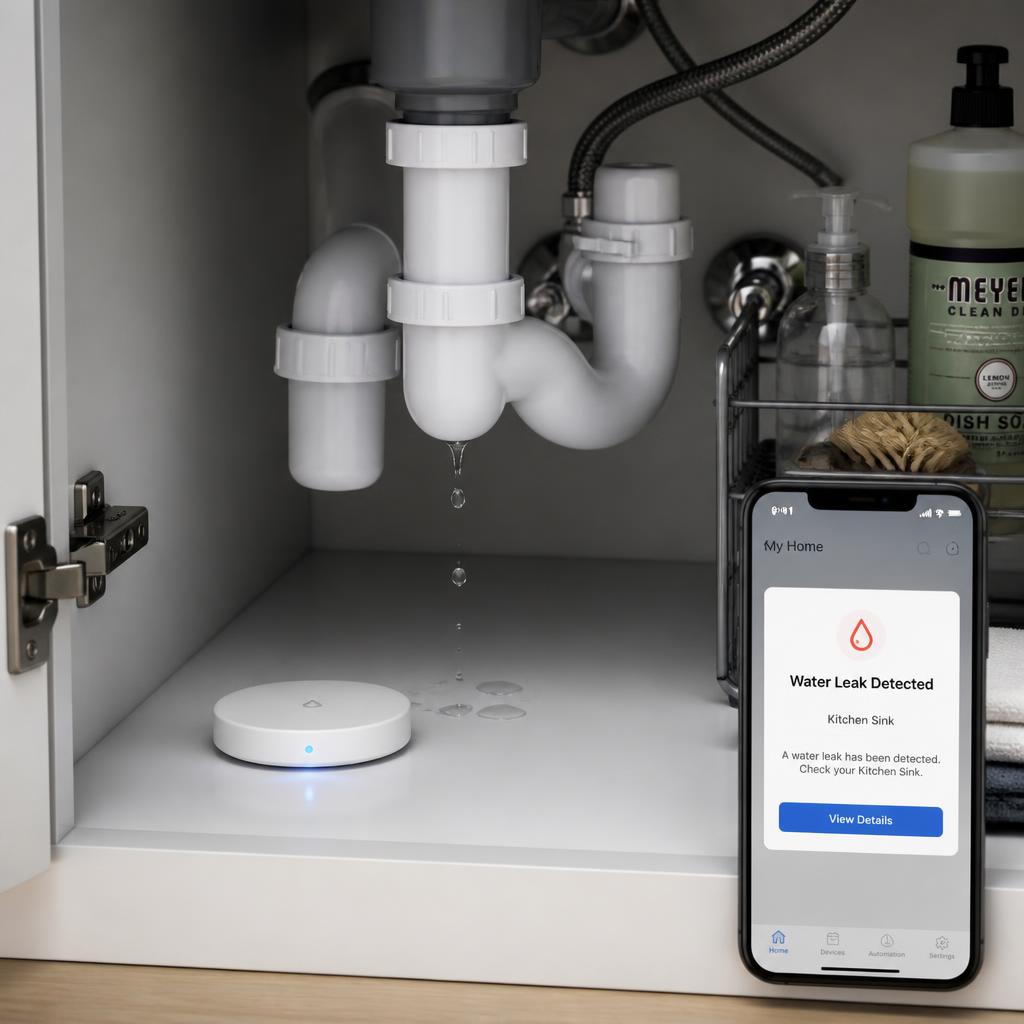
Slow leaks are different. They can stay hidden in spaces people rarely inspect. A pipe beneath a kitchen sink may drip only when the faucet is used. A dishwasher connection may leak behind the unit. A toilet supply line may release a small amount of water onto the floor each day.
Over time, that moisture can create more serious problems. Wood may swell or weaken. Flooring can lift. Mold may develop where ventilation is limited. The longer the source remains unnoticed, the more complicated repairs can become.
The best response is not to wait for visible damage. Homeowners should make simple checks part of their regular maintenance routine.
Areas That Should Be Checked Regularly
Some parts of a home deserve more attention because they are more likely to experience leaks. Kitchens are a common starting point. Pipes, dishwashers, refrigerators with water lines, and sink fittings should all be checked from time to time.
Bathrooms are another important area. Look around toilets, under sinks, behind washing machines, and near shower trays or bathtubs. A loose seal or worn pipe connection can create moisture that is not immediately obvious.
Laundry rooms and utility spaces should not be ignored. Washing-machine hoses, boilers, water heaters, and utility sinks can all become sources of slow leaks. These rooms are often less frequently visited, which means an issue may go unnoticed for longer.
Basements, garages, loft spaces, and under-stair storage areas can also be vulnerable. Pipes in colder parts of the home may be exposed to temperature changes, while poor ventilation can make moisture problems worse.
Checking these areas does not need to take long. A quick look for dampness, rust, mould, unusual smells, or water marks can help identify issues early.
Prevention Is Often Simpler Than Repair
Water damage can be expensive and disruptive. Floors may need to be lifted, walls may require drying, and furniture or stored belongings can be affected. In some cases, repairs involve more than replacing a single pipe or washer.
Preventive steps are often much simpler. Homeowners can inspect hoses, replace worn fittings, clean appliance filters, and make sure plumbing work is completed properly. They can also learn where the main water shut-off valve is located.
Knowing how to shut off the water supply can be useful during an emergency. If a leak becomes severe, acting quickly may reduce the amount of water entering the home.
It is also sensible to avoid storing valuable items directly on basement floors or near plumbing connections. Small changes in storage habits can reduce the impact if water is discovered later than expected.
Smart Leak Alerts Can Add Another Layer of Awareness
Technology is giving households more ways to monitor areas that are usually out of sight. Water leak alarms can be placed near appliances, sinks, toilets, pipes, and other locations where moisture may collect.
X-SENSE offers connected home safety devices designed to help households respond to different types of risks, including water leaks. These devices can support a wider maintenance plan by providing alerts when water is detected.
A water alarm does not repair a leak or prevent a pipe from failing. Its purpose is to provide an early warning so the homeowner, tenant, or property manager can take action sooner.
This can be particularly useful for people who travel often, own a second property, manage rental homes, or spend long hours away from home.
The Role of the SWS0A Smart Water Leak Alarm
The X-SENSE SWS0A smart water leak alarm is designed to detect water in areas where leaks may otherwise remain hidden.
It has an ultra-thin design that can fit under appliances, near pipework, or in tight spaces. When water is detected, the system can send an app alert, while the connected base station can sound an alarm and the sensor can flash.
The SWS0A requires the X-SENSE SBS50 Base Station for its smart features. This setup can allow users to receive alerts through the X-SENSE Home Security app and share device access with family members or trusted contacts.
The sensor uses replaceable AAA batteries and has a stated battery life of up to three years. It also has an IP67 rating, meaning it is designed to handle exposure to water in leak-detection environments.
For homeowners, the main benefit is awareness. A leak behind a washing machine or beneath a sink may not be noticed immediately, but an alert can help reduce the delay between a problem starting and someone responding.
What to Do When a Leak Is Found
When water is discovered, the first step is to identify the source where possible. If the leak is coming from a supply line, appliance connection, or pipe, turning off the local valve or main water supply may help limit further damage.
Electrical safety should also be considered. Water near outlets, appliances, or extension leads can create additional risks. Avoid touching electrical equipment if there is standing water nearby.
For serious leaks, visible structural damage, or water near electrical systems, professional help may be needed. A qualified plumber can identify the cause of the leak, while a water-damage specialist may be required for drying and restoration.
Taking photographs can also be useful for insurance records, depending on the situation and policy terms.
Early Attention Makes a Difference
Water damage often begins quietly. A small drip can become a damaged cabinet, weakened floor, or mold problem when left unchecked.
Regular inspections, sensible maintenance, and early alerts can all help homeowners act before a minor issue becomes a major repair. A few minutes spent checking high-risk areas may protect both the property and the people living in it.
About X-SENSE Innovations
Founded in 2013, X-SENSE Innovations operates from its registered U.S. address at X-SENSE USA LLC, 1209 Orange St, Wilmington, DE 19801, and specializes in developing certified home fire and safety solutions for both residential and commercial environments. The company focuses on producing professional and user-friendly safety devices, including domestic fire alarms such as smoke, carbon monoxide, and heat alarms, as well as smart home safety systems covering fire protection, intrusion detection, and indoor environment monitoring.
More information is available at www.x-sense.com.
Official company social media profiles: Facebook and Instagram.
Media Detail
Contact Person Name: Farrukh
Company Name: X-Sense
Email: service@x-sense.com
Website: https://www.x-sense.com/
Phone: +1 (833) 952-1880


