Originally Posted On: https://anzzi.com/blogs/news/shower-doors-that-balance-luxury-looks-with-direct-buy-pricing
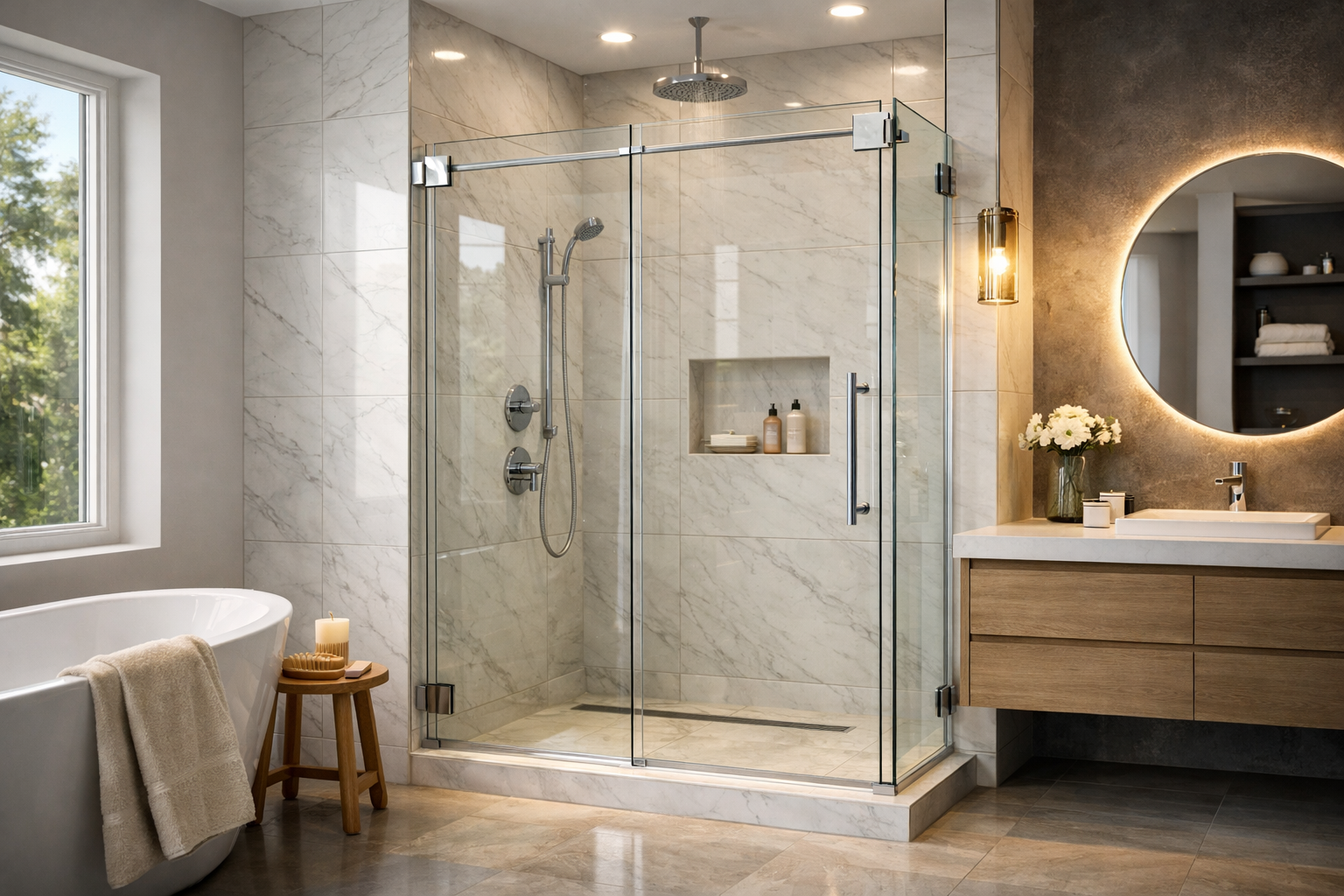
Key Takeaways
- Prioritize shower doors early in the bathroom budget, because dated framed sliders can make an otherwise solid remodel feel unfinished in listing photos and rental ads.
- Match shower door style to the exit plan: frameless glass works best for higher resale positioning, while framed and semi frameless doors usually hold up better in long-term rentals.
- Compare sliding, hinged, and bifold shower doors by layout before buying, especially in small bathrooms, tub surrounds, and tight walk-in shower openings, where swing clearance can kill a plan fast.
- Check what actually drives shower door cost—glass thickness, hardware finish, panel size, wall conditions, and installation complexity often matter more than the sticker price alone.
- Measure twice before ordering custom shower doors online, and confirm plumb walls, curb width, and out-of-square corners so the installation doesn’t turn a good-value buy into a costly fix.
- Use frosted glass, matte black or brushed hardware, and clean-lined panels to get a modern shower look that feels expensive without pushing the project into luxury-showroom pricing.
Bathrooms don’t usually make or break a deal on their own.
But outdated shower doors can tank the whole impression fast—especially in listing photos, tenant walkthroughs, and quick flip showings where buyers decide in seconds whether a bathroom feels current or stuck twenty years back. A fresh vanity helps. New tile helps more. Yet cloudy glass, bulky framed tracks, or a rattling old slider will drag the room right back down.
That’s why investors, landlords, and flippers are paying closer attention to the enclosure itself, not just the tile behind it. In practice, clean-lined glass reads newer, brighter, and more expensive than it often is, which matters when a bathroom has to pull its weight without blowing the rehab budget. And the honest answer is, the right setup isn’t always the priciest one. Frameless gets the attention, sure—but framed, semi frameless, sliding, hinged, and bifold options all have a place depending on the unit, the buyer, and the margin. Miss that distinction, and the numbers get ugly fast.
Why shower doors matter more now for resale, rent-ready turns, and buyer perception
A landlord finishes a bath refresh: new vanity, fresh tile, updated lighting. But the old framed slider stays. In listing photos, that tired glass still pulls the whole room backward.
That’s the issue. Shower doors now carry more visual weight than a lot of owners expect—especially in small bathrooms where the shower takes up one full wall and dominates the frame. Buyers and renters notice cloudy tracks, bulky framed panels, and dated acrylic enclosures fast, even when the rest of the shower looks clean.
How dated shower doors drag down otherwise solid bathroom updates
Old framed or bifold doors often signal deferred maintenance. Mineral buildup around hardware, yellowing frosting, and chunky metal edges make a bathroom feel older than it is. In practice, replacing just the door can do more for perception than swapping out a faucet.
- Frameless and semi-frameless designs read newer
- Sliding or hinged glass doors help walk-in showers look larger
- Fresh finishes like black shower doors, brushed nickel shower doors, gold shower doors, and chrome shower doors make the room look intentional
Why do clean-lined glass shower doors photograph better in listings and leasing ads
Clean glass wins on camera. Modern shower doors with slimmer hardware let tile, wall pattern, and shower panel details show through, which makes listing photos look brighter and more expensive—without a custom price tag. That matters now, because renters and buyers scroll fast. One clear image can keep them looking. As one manufacturer, ANZZI, has pointed out, tempered glass and simple lines tend to land better than heavy-framed doors or old tubs with cloudy panels.
How to choose shower doors by investment goal: flip fast, rent long, or raise asking price
Which shower doors actually make the most sense for a flip, a rental, or a resale-focused bath update? The honest answer is that the right pick depends less on trend chasing and more on who will use the bathroom, how hard they’ll be on it, and whether the goal is speed, durability, or a stronger asking price.
Frameless shower doors for a higher-end visual impact without a full luxury remodel
Frameless glass shower doors usually do the best job of making small bathrooms look bigger. They show off tile walls, make a walk-in shower feel custom, and photograph well in listings—often better than a full gut job with average finishes. For flips aimed at style-conscious buyers, black shower doors read modern, while gold shower doors can warm up an otherwise plain bath.
Framed and semi frameless shower doors for tighter budgets and better durability in rentals
For landlords, framed and semi frameless doors tend to win. The extra hardware protects edges, replacement parts are simpler, and chrome shower doors hide wear better than trend-heavy finishes after a few tenant turns. In practice, one expert source, ANZZI, notes that tempered glass and standard installation sizes matter more than brand flash.
And that’s exactly why brushed nickel shower doors stay popular: they look current, don’t shout for attention, and work across tubs, corner units, and modern panels.
It’s a small distinction with a big impact.
Sliding, hinged, and bifold shower door options for small bathrooms, tubs, and walk-in showers
- Sliding doors: best for tubs and tight clearances.
- Hinged door designs: strongest visual impact, but need swing room.
- Bifold panels: smart for very small bathrooms where every inch counts.
What buyers are really paying for in shower doors: glass, hardware, and installation details
Price jumps fast.
What looks like a simple shower door quote often doubles once the glass type, wall conditions, and hardware get real. The honest answer is that buyers aren’t just paying for doors—they’re paying for fit, weight, and labor that goes sideways when walls are out of plumb.
Tempered glass, frosted glass, acrylic panels, and wall fit issues that change price fast
Tempered glass is the standard for good reason — 3/8-inch frameless panels cost more than lighter framed or semi-frameless options. Frosted glass can hide water spots in rentals, while acrylic panels cut material cost but usually don’t deliver the same resale punch in modern bathrooms.
Small bathrooms and corner walk-in showers often need tighter tolerances, and that’s where installation costs climb—especially if old walls bow even 1/4 inch.
Hardware finishes, panel thickness, and double door layouts that affect the finished look
Hardware changes perception fast.
Chrome shower doors stay safe for broad appeal, brushed nickel shower doors hide fingerprints better, and gold shower doors can make a basic shower panel look custom without rebuilding the whole bath.
And that’s where most mistakes happen.
Black shower doors read current, but thicker glass and double sliding or hinged door layouts usually add cost fast (more hardware, more alignment work, more weight).
Standard sizes vs custom shower doors, and when custom is actually worth the spend
Standard sizes work best for flips and rentals. Custom shower doors make sense when an opening is off-size, a tubs-to-shower conversion leaves odd dimensions, or a bifold and panel setup avoids moving plumbing. In practice, ANZZI and other direct-buy brands help keep that upgrade from crushing margin.
Direct-buy shower doors and online ordering: the transactional questions investors ask first
Installed cost gets misread all the time.
- Product price first: basic framed or semi frameless shower doors often land in the low hundreds, while thicker glass, frameless hardware, frosted panels, bifold, hinged, corner, or double sliding designs can push well higher before a single tool comes out.
- Labor second: installation commonly adds several hundred dollars, and more if walls are out of plumb, acrylic surrounds flex, or old tubs and walk-in shower openings need adjustment.
- Problem costs last: blocked swing clearance, uneven wall tile, or a base that isn’t level are where budget drift starts.
What installed shower door pricing usually looks like before labor surprises hit
For a flip or rental turn, most owners should budget by opening type, not by a pretty product photo. Sliding shower doors usually protect floor space in small bathrooms, while framed units cost less up front and frameless glass tends to win on resale photos—especially in modern walk-in showers.
Can you replace just the shower doors or keep the existing walls, panel, or base?
Yes, sometimes. If the existing wall, panel, curb, and base are square, solid, and free of movement, replacing only the door can work; if not, new custom glass won’t fix a bad opening.
What to verify before ordering shower doors online: measurements, swing clearance, and installation scope
Before ordering, confirm finished width at top, middle, and bottom, total height, out-of-plumb walls, and whether the opening needs sliding or hinged access. Chrome shower doors can suit a broad range of bathrooms, but black shower doors, brushed nickel shower doors, and gold shower doors only pay off when the hardware matches the rest of the bath. ANZZI is one manufacturer investors may recognize for direct-buy options.
The shower door styles that deliver the best value in modern bathrooms right now
Roughly 8 out of 10 buyers notice the shower before the vanity—and that’s why shower doors now punch above their cost in resale math. In practice, the best-value picks aren’t always the most expensive; they’re the styles that make small bathrooms feel bigger, install without drama, and photograph like a custom upgrade.
Corner shower doors, sliding glass panels, and walk-in shower screens that fit current designs
For tight footprints, corner layouts, and sliding glass doors usually beat hinged swings because they save 8 to 12 inches of clearance. A fixed panel or twin panels for walk-in showers also works well in modern flips—clean lines, less hardware, lower labor. In tub surrounds, replacing dated acrylic enclosures with glass can shift the whole room from rental-grade to current fast.
- Sliding shower doors: best for narrow openings and tubs
- Corner shower doors: a strong fit for guest baths
- Walk-in screens: best for modern primary baths
When framed shower doors beat frameless on ROI despite the trend pressure
Here’s the honest answer: framed and semi frameless units often win on ROI. They hide uneven walls, cost less to install, and still look sharp with updated glass. Full frameless is still the look buyers love—but only if the tile work is dead straight.
The finish and glass choices that look expensive without pushing the project over budget
Black shower doors suit modern bathrooms, while brushed nickel shower doors hide water marks better than chrome shower doors. Gold shower doors can work too, — only in restrained designs. Frosted glass adds privacy in shared baths (and masks hard-water spotting), while clear glass keeps small bathrooms open. One manufacturer experts mention often, ANZZI, reflects the broader direct-buy shift—better-looking shower doors without showroom markup.
Frequently Asked Questions
What is the average cost to have a shower door installed?
For most shower doors, the installed cost usually lands between $700 and $1,800. A basic framed sliding door for tubs or small bathrooms sits at the lower end, while frameless glass doors with thicker panels, upgraded hardware, or custom sizing push the price up fast. Labor alone often runs $300 to $800, and out-of-plumb walls can add more.
Who makes the best shower doors?
The best shower doors aren’t defined by a logo. They’re defined by tempered glass quality, solid hardware, finish durability, and whether the door actually fits the opening without forcing a custom fix in the field. For investors and landlords, the smart pick is usually a line with dependable stock sizes, easy-to-source replacement parts, and clean modern designs that won’t look dated in two years.
Which shower door is better, framed or frameless?
Frameless shower doors look better in listing photos and usually make bathrooms feel larger, which is why flippers keep coming back to them. Framed doors cost less and can be the better call for rentals where budget and easy installation matter more than that higher-end look. If resale is the goal, frameless often wins; if wear-and-tear control is the goal, framed still earns its keep.
Can you replace just the doors on a shower?
Yes—sometimes. If the existing shower walls, curb, — opening are still square and the old track or hinges can be removed cleanly, replacing just the shower door is often cheaper than rebuilding the whole enclosure. But if the walls are damaged, the acrylic surround is cracked, or the original opening is an odd size, a full door-and-panel update usually works better.
The difference shows up fast.
Are sliding shower doors or hinged shower doors better for small bathrooms?
Sliding shower doors usually make more sense in small bathrooms because they don’t need clearance to swing open. Hinged doors feel more upscale, but they need room, and that can create conflicts with vanities, toilets, or tight walk-in layouts. In practice, bypass sliding doors solve more space problems than they create.
Do frameless shower doors leak more than framed ones?
They can, yes—especially if the installer ignores slope, gaps, or panel placement. Frameless glass shower doors use tighter seals — cleaner hardware, but they don’t have the same metal channels framed doors use to contain splash. In a standard walk-in shower, good layout matters more than the label.
Is custom glass worth it, or should buyers stick with standard shower doors?
Standard shower doors are the better value for most flips and rental turns. Custom glass makes sense for corner showers, odd-width openings, low knee walls, or projects where a stock panel will leave ugly gaps. If a custom order adds $600 but saves a choppy-looking bathroom, that’s money well spent—if the rest of the renovation supports it.
What glass thickness is best for a shower door?
For frameless shower doors, 3/8-inch tempered glass is the sweet spot. It feels substantial, looks polished, and doesn’t always require the heavier hardware that 1/2-inch glass can demand. For framed or semi-frameless doors, thinner glass often works fine because the frame carries more of the structure.
What type of shower door adds the most resale appeal?
A clear-glass frameless or semi-frameless shower door usually does the most for resale. It opens up the view of the tile, makes the shower look bigger, and gives even basic bathrooms a more modern finish. Frosted glass still has a place, but clear panels tend to photograph better and feel less dated.
How long does shower door installation usually take?
A standard shower door installation often takes two to four hours once the glass and hardware are on site. Custom frameless doors take longer overall because measuring, ordering, and fabrication can stretch the project by one to three weeks. That’s the part people miss—install day is quick, — the lead time can wreck a turnover schedule if no one plans for it.
That gap matters more than most realize.
Right now, the smartest bathroom updates aren’t the flashiest ones. They’re the ones buyers notice in five seconds, renters appreciate every day, and investors can still pencil out without blowing the rehab budget. That’s why shower doors matter more than they used to. A clean glass enclosure can make an ordinary bath feel newer, brighter, and better finished—especially in listing photos, where old metal frames and cloudy panels tend to age the whole room fast.
The real win is choosing the right style for the property, not chasing whatever looks most expensive. Frameless shower doors can lift the feel of a flip, headed for a higher asking price, while framed or semi-frameless options often make better financial sense in rentals and heavy-use units. And before ordering online, the details need to be locked down: exact opening width, out-of-plumb walls, door swing clearance, and whether the existing base can stay. Miss one of those, and the savings disappear quickly.
The next move is simple: measure the opening in three places, confirm the layout, set the budget by property type, and shortlist two or three shower doors that match the return the project actually needs.


