
Shenzhen, Guangdong, China – November 23, 2026
Across the stainless-steel counter, a set of newly demolded pans caught the light—a velvety, plant-butter-infused cream blush that felt more like skincare than traditional pigment. After months of back-and-forth iteration on texture, slip, and skin-conditioning emollients, the final prototype had finally cleared stability testing. For an emerging indie brand preparing to capture a shifting consumer market, signing off on a hero product is more than a logistical milestone; it is the culmination of months of precision chemistry, packaging engineering, and strategic manufacturing alignment.
Bringing a distinct cosmetic concept from a lab bench to retail shelves requires navigating an increasingly complex beauty landscape. As consumer preferences pivot toward clean, high-performance makeup that seamlessly integrates skincare benefits, beauty brands can no longer rely on off-the-shelf formulas. Success demands a sophisticated, end-to-end partnership capable of transforming creative visions into market-ready realities.
This comprehensive guide explores the blueprint for developing proprietary cosmetics through an Advanced Custom Cosmetic Formulation Service Provider, using the collaboration framework established by Topfeel Beauty to illustrate how modern brands scale with precision and technical rigor.
The Evolution of Cosmetic Procurement: Why Custom Formulation Matters
The traditional dichotomy between generic contract manufacturing and rigid white-label distribution no longer satisfies modern brand owners or discerning consumers. Today’s market rewards distinct sensory profiles, sustainable structural designs, and clinically backed ingredient stories. Achieving this differentiation requires a collaborative development ecosystem where formulation chemistry and packaging architecture are designed in parallel rather than in silos.
When partnering with an established original equipment and design manufacturer specializing in face, eye, and lip cosmetics, brands gain access to integrated technical infrastructure. This model bridges the gap between raw chemical innovation and consumer-facing retail presentation, ensuring that every SKU maintains structural integrity and regulatory compliance throughout its lifecycle.
Step-by-Step Blueprint: Navigating the Custom Development Lifecycle Through a Plant-Butter Cream Blush Case Study
Transforming a product concept into a commercial success involves a structured, multi-phase methodology. To demonstrate how theoretical formulation turns into a market-ready hero product, the following blueprint examines each stage through the development lifecycle of a modern Plant-Butter Cream Blush—a complex hybrid formulation requiring delicate balance between skincare emollients, structural waxes, and high-purity pigments.
Step 1: Defining Product Requirements and Strategic Alignment
The foundation of any custom cosmetic launch begins with comprehensive requirement gathering. During this phase, development teams outline target demographics, sensory attributes, clean beauty parameters, and performance goals.
Case Application: In developing the Plant-Butter Cream Blush, the brand specified a dual-benefit profile: an anhydrous formula with a “second-skin” velvet finish that hydrates like a balm while delivering buildable pigment. The target parameters excluded synthetic silicones, favoring plant-derived alternatives, and set strict stability criteria across varying temperature conditions.
Step 2: Advanced Formulation and Ingredient Innovation
Once parameters are set, formulation chemists engineer the proprietary base matrix. Custom chemistry goes far beyond simple pigment mixing, incorporating functional active botanicals, specialized lipids, and advanced dispersion mechanisms.
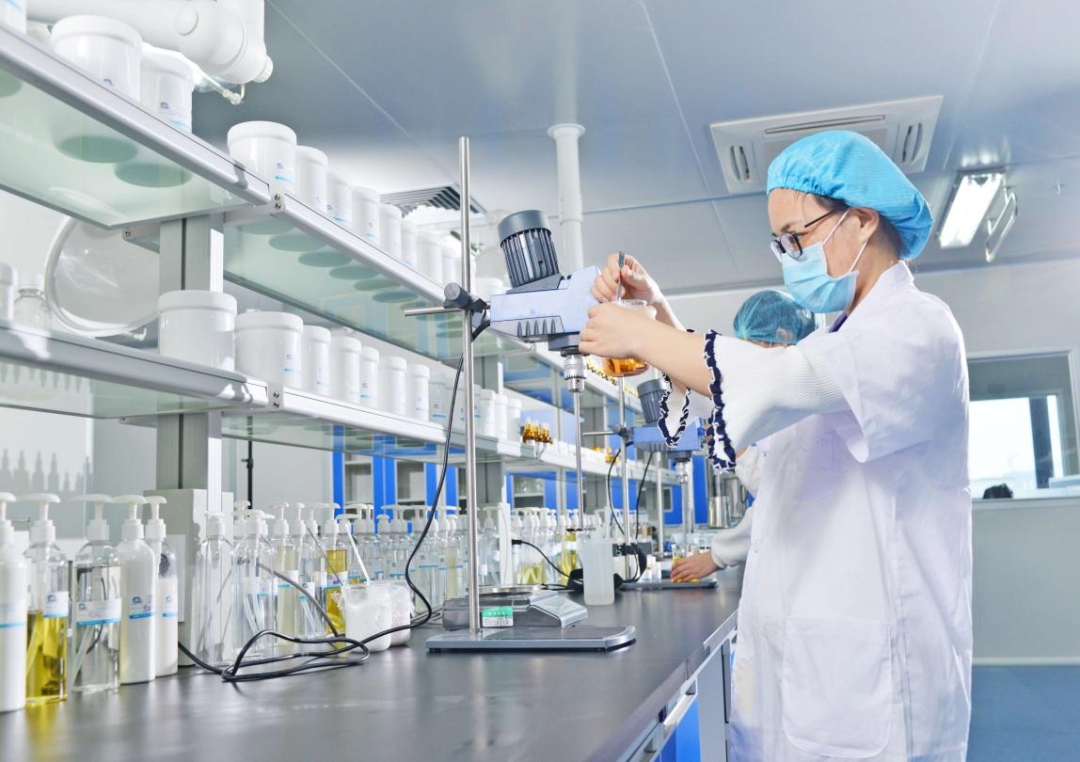
Case Application: Chemists combined hydrogenated vegetable oils, mango butter, and shea butter to build a nourishing, cushiony base. To prevent pigment agglomeration and ensure smooth application, formulators utilized high-shear micronization to evenly suspend mineral pigments within the lipid matrix. Rheological tuning ensured the blush transitions smoothly from a solid state in the pan to a silky liquid feel upon skin contact.
Step 3: Structural Design and Packaging Engineering
Formula chemistry and container mechanics must function as a single harmonious system. Incompatible packaging materials can lead to oxidation, ingredient separation, or container deformation.
Case Application: Because plant-butter formulations melt near body temperature, the packaging required precise thermal stability and user-friendly ergonomics. Engineers created a tactile compact featuring an airtight seal to protect sensitive botanical fats from oxidation. Compatibility testing verified that the formula would not draw oils out of the compact’s inner material or compromise structural hinge integrity over time.
Step 4: Pilot Production and Quality Management
Before moving to mass production, small-scale pilot runs validate that manufacturing can scale seamlessly without compromising color uniformity, sensory texture, or physical integrity.
Case Application: Pilot batches of the Plant-Butter Cream Blush were subjected to rigorous quality controls, including accelerated thermal aging, freeze-thaw challenge testing, heavy metal screening, and microbiological assays. Inline color-matching under calibrated light booths ensured shade consistency across batch runs before sign-off.
Step 5: Full-Scale Manufacturing and Logistics Integration
The final operational step transitions the validated pilot batch into high-volume manufacturing, followed by automated secondary assembly and international export preparation.
Case Application: Automated hot-pour filling lines poured the heated blush matrix directly into compacts under strict cleanroom conditions. Continuous cooling tunnels controlled the crystallization rate of the plant waxes, producing a flawless, smooth top surface free of sink marks. As pioneered within the broader production ecosystem at Topfeel Beauty, streamlined manufacturing, regulatory documentation, and export logistics were managed in parallel to ensure rapid market delivery.
Strategic Partnership for Sustainable Growth
Navigating the complexities of cosmetic manufacturing requires a partner who combines technical agility with robust production capabilities. By integrating custom formulation, structural packaging design, rigorous quality assurance, and scalable manufacturing under one roof, emerging and established brands can optimize their operational efficiency and focus on what matters most: building meaningful connections with their audience.
Ready to Elevate Your Next Launch?
Project Scope: Comprehensive custom formulation, packaging engineering, and manufacturing for face, eye, and lip cosmetics.
Collaboration Model: End-to-end private label partnership from initial R&D to mass production.
Next Steps: Connect with our technical development team to discuss your product blueprint and timeline requirements.
For more information on our complete suite of formulation and manufacturing capabilities, please visit our official website at https://www.topfeelbeauty.com/
About Us
Topfeel Beauty is a professional private label cosmetics manufacturer and OEM/ODM supplier specializing in face, eye and lip makeup. We provide custom formulation, packaging solutions, manufacturing and quality management to support beauty brands from product development to mass production, helping accelerate their speed to market with full cosmetic solutions.
Media Contact
Company Name: Topfeel Beauty
Contact Person: Media Relations
Email: Send Email
Country: China
Website: https://www.topfeelbeauty.com/
Press Release Distributed by ABNewswire.com
To view the original version on ABNewswire visit: The Complete Buyer’s Guide to Advanced Custom Cosmetic Formulation Service with Topfeel Beauty