Key Takeaways
- Cool water foot baths, gentle upward massage, and anti-inflammatory foods can significantly reduce varicose vein symptoms like swelling, aching, and heaviness without invasive treatments.
- Ionic foot baths may offer additional benefits by potentially supporting circulation through electrical stimulation, though more research is needed to confirm their specific mechanisms for varicose vein relief.
- Manual lymphatic drainage massage techniques specifically target fluid retention while avoiding dangerous deep pressure on damaged veins.
- Combining multiple home remedies creates a multi-faceted approach that addresses different aspects of varicose vein discomfort more effectively than single treatments alone.
Living with varicose veins means dealing with daily discomfort that can make even simple activities feel challenging. The good news is that several proven home remedies can provide meaningful relief from the swelling, aching, and heaviness that characterize this common circulatory condition. By understanding how foot bathing, massage, and nutrition work together to support venous health, individuals can create an effective at-home management strategy.
How These Three Home Remedies Can Actually Reduce Varicose Vein Symptoms
Varicose veins develop when weakened vein valves allow blood to pool instead of flowing efficiently back toward the heart. This pooling creates the characteristic bulging, discoloration, and persistent discomfort that affects millions of people daily. While these home remedies cannot repair damaged valve structures, they target the underlying circulation problems and inflammation that worsen symptoms over time.
Each remedy works through different mechanisms to support venous return and reduce fluid retention. Foot bathing uses water temperature and therapeutic additives to stimulate circulation and draw out excess fluids. Massage techniques promote lymphatic drainage and encourage blood flow back toward the heart. Nutritional strategies strengthen vein walls from the inside while reducing systemic inflammation that contributes to venous insufficiency.
The most effective approach combines all three methods rather than relying on a single treatment. This multi-faceted strategy addresses both immediate symptom relief and long-term vein health, giving individuals multiple tools to manage their condition throughout the day.
Foot Bathing: Traditional vs. Ionic Technology for Circulation
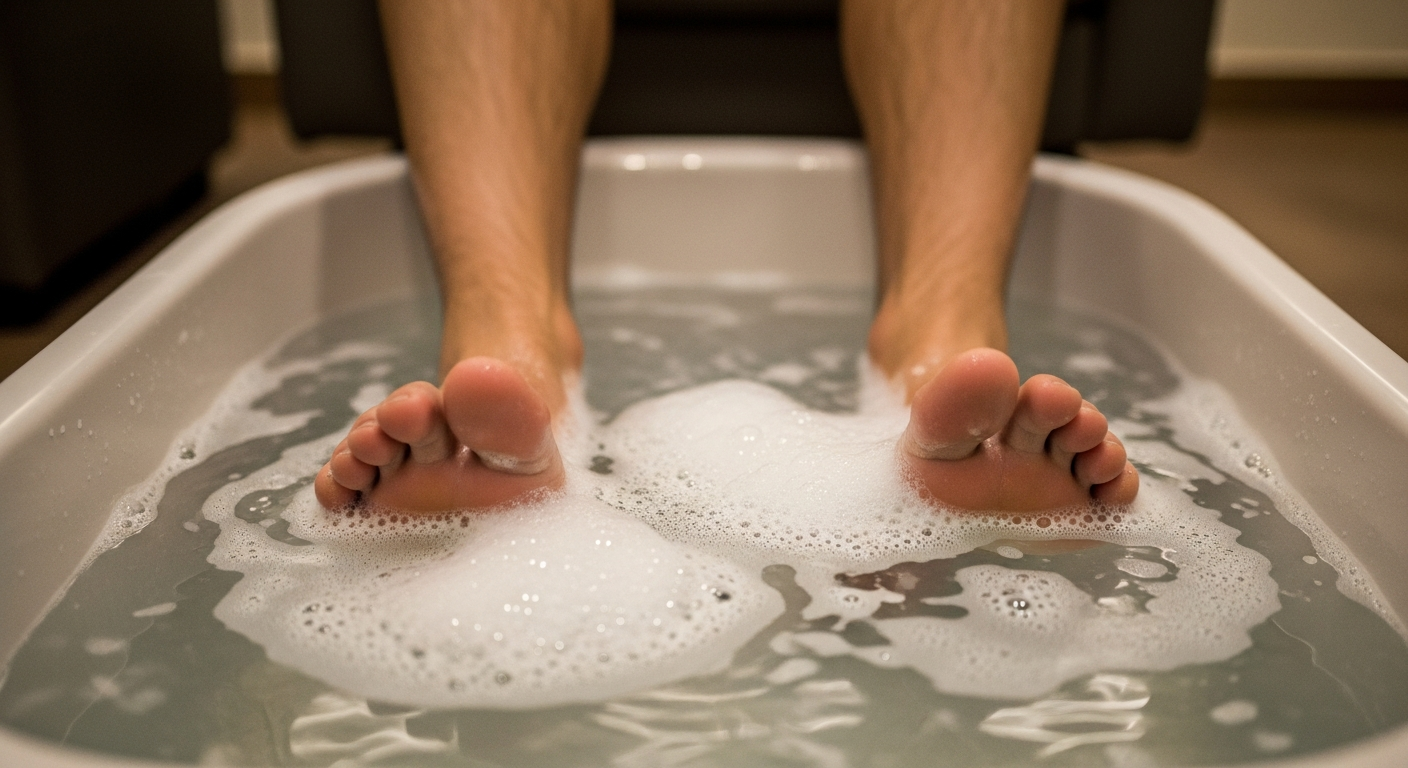
Water-based therapies have been used for centuries to improve circulation and reduce swelling in the lower extremities. Modern foot bathing techniques range from simple cool water soaks to advanced ionic systems that may work through electrical stimulation to support circulation.
1. Why Cool Water Works Better Than Hot for Varicose Veins
While warm water might feel more relaxing, cool water provides superior therapeutic benefits for varicose vein management. Cool temperatures cause blood vessels to constrict, which helps push pooled blood back toward the heart and reduces the appearance of swollen veins. This vasoconstriction effect also decreases inflammation and provides immediate relief from the burning sensation that often accompanies varicose veins.
Hot water has the opposite effect, causing veins to dilate and potentially worsening symptoms. Heat increases blood vessel expansion, which can slow circulation and intensify aching, swelling, itching, and cramping. Water temperatures between 60-70°F are generally recommended for varicose vein relief, though individuals should adjust based on comfort and tolerance levels.
2. Epsom Salt Baths for Reducing Swelling and Inflammation
Epsom salt (magnesium sulfate) transforms a simple foot soak into a treatment for varicose vein symptoms. The anti-inflammatory properties of magnesium help reduce tissue swelling and may provide muscle relaxation benefits. The salt creates an environment that can help reduce inflammation and provide comfort for swollen tissues.
Regular Epsom salt soaks can provide cumulative benefits for individuals with chronic venous insufficiency. The magnesium may be absorbed through the skin and support muscle relaxation, which helps reduce the cramping and restless leg symptoms that often accompany varicose veins. For optimal results, dissolve 1-2 cups of Epsom salt in cool to lukewarm water and soak for 15-20 minutes daily.
3. How Ionic Foot Baths May Support Circulation
Ionic foot bath technology represents a newer approach to at-home varicose vein management. These systems use electrical currents to create charged particles in water, potentially creating an environment that may support circulation. The specialized ionic arrays generate electrical activity that interacts with the body through the feet.
The ionic process may work by creating electrical stimulation that could potentially support circulation, though more independent research is needed to confirm the specific mechanisms. Users often report decreased swelling, improved energy levels, and reduced leg heaviness after consistent use of ionic foot bath systems, though individual results may vary.
Unlike conventional foot baths that work through temperature, ionic technology takes a different approach, using electrical activity in the water that some users find beneficial for swelling and heaviness. The 30-minute treatment sessions create an environment that some users find beneficial for managing swollen, aching legs.
Massage Techniques That Support Venous Return Without Causing Damage
Therapeutic massage can significantly improve varicose vein symptoms when performed correctly, but improper technique can worsen the condition or even cause dangerous complications. The key is using gentle, specific movements that promote venous return without applying excessive pressure to damaged vein walls.
1. Gentle Upward-Stroking Technique from Ankle to Thigh
The most effective massage technique for varicose veins uses long, gentle strokes that move from the ankle toward the thigh, following the natural direction of venous blood flow. This effleurage technique helps guide pooled blood back toward the heart while providing relief from the heavy, tired feeling in the legs. The pressure should be firm enough to stimulate circulation but light enough to avoid compressing fragile vein walls.
Begin each session by positioning the leg slightly elevated, then use flat palms to stroke upward from the ankle to the knee, followed by longer strokes from the knee to the hip. Maintain consistent, rhythmic movements for 5-10 minutes per leg. This technique is particularly effective when combined with deep breathing exercises that support overall circulation and relaxation.
2. Manual Lymphatic Drainage for Reducing Edema
Manual lymphatic drainage (MLD) represents a specialized massage technique specifically designed to address fluid retention and swelling associated with venous insufficiency. This gentle therapy uses very light, rhythmic strokes that follow the natural pathways of the lymphatic system to encourage proper fluid drainage from the lower extremities.
MLD techniques focus on stimulating lymphatic vessels rather than blood vessels, making them particularly safe for individuals with varicose veins. The light pressure and specific movement patterns help move excess tissue fluid toward lymph nodes where it can be properly processed and eliminated. Many people experience immediate relief from the tight, swollen feeling in their legs after a single MLD session.
Nutrition Strategies That Strengthen Veins and Combat Inflammation
Dietary approaches to varicose vein management work from the inside out, providing the nutrients necessary for healthy vein structure while reducing systemic inflammation that contributes to venous insufficiency. A strategic nutrition plan can significantly impact both symptom severity and long-term vein health.
Antioxidant-Rich Foods for Vein Wall Strength
Antioxidants play a crucial role in protecting vascular walls from damage caused by free radicals and chronic inflammation. Berries like blueberries, blackberries, and cherries contain powerful anthocyanins that specifically support vascular health and reduce inflammation in blood vessel walls. Dark chocolate with at least 70% cacao provides flavonoids that improve circulation and vein elasticity.
Green leafy vegetables such as spinach, kale, and Swiss chard deliver multiple antioxidants, including vitamins A, C, and E, along with folate and other nutrients needed for vein health. These vegetables also provide nitrates that support healthy blood vessel function and circulation. Including a variety of colorful fruits and vegetables ensures a broad spectrum of protective compounds that work together to maintain vein integrity.
Key Nutrients: Vitamin C, E, and Bioflavonoids
Specific nutrients play targeted roles in maintaining healthy vein structure and function. Vitamin C is needed for collagen and elastin synthesis, the proteins that give vein walls their strength and flexibility. Citrus fruits, bell peppers, strawberries, and broccoli provide abundant vitamin C that supports ongoing vein repair and maintenance processes.
Vitamin E improves circulation and helps prevent blood clot formation, making it particularly important for individuals with varicose veins. Sunflower seeds, almonds, avocados, and olive oil are excellent sources of vitamin E that can be easily incorporated into daily meals. Bioflavonoids, found in citrus fruits, onions, and green tea, work synergistically with vitamin C to reduce inflammation and strengthen capillary walls throughout the circulatory system.
When Home Remedies Aren’t Enough, and You Need Medical Care
While home remedies can provide significant relief for many varicose vein symptoms, certain warning signs indicate the need for professional medical evaluation and treatment. Skin discoloration around the ankles, particularly brownish or reddish staining, suggests advanced venous insufficiency that requires medical intervention. Open sores or ulcers near varicose veins indicate tissue damage that won’t heal properly without professional wound care and treatment of the underlying circulation problems.
Sudden, significant swelling in one leg, especially when accompanied by warmth, redness, or pain, may indicate a blood clot that requires immediate medical attention. Similarly, bleeding from a varicose vein or severe, persistent pain that doesn’t respond to home treatments warrants professional evaluation. These symptoms suggest that the vein damage has progressed beyond what home remedies can effectively manage, and medical treatments like sclerotherapy, laser therapy, or surgical intervention may be necessary.
Regular monitoring of varicose vein symptoms helps individuals recognize when their condition is worsening despite consistent home treatment efforts. Keeping a simple symptom diary can help track changes over time and provide valuable information for healthcare providers when professional treatment becomes necessary.
Combine Remedies for a Multi-Faceted Treatment Plan
The most effective approach to managing varicose veins at home involves combining multiple remedies rather than relying on a single treatment method. A typical daily routine might include morning elevation and gentle massage, afternoon nutrition focus with anti-inflammatory foods, and evening foot bathing sessions with cool water and therapeutic additives.
Weekly schedules can incorporate more intensive treatments like longer ionic foot bath sessions or detailed manual lymphatic drainage massage. This varied approach prevents habituation while addressing different aspects of varicose vein symptoms throughout the day. Consistency is key to seeing cumulative benefits, as most individuals notice significant improvements after 4-6 weeks of regular home treatment.
Tracking symptom changes and treatment responses helps individuals refine their approach over time and identify which combinations work best for their specific situation. This personalized strategy ensures that home remedy efforts provide maximum benefit while supporting long-term vein health and comfort.
Healifeco
1309 Coffeen Avenue
STE 1200
Sheridan
Wyoming
82801
United States